Umberto Rispoli Returns to Racing After Ankle Injury
Umberto Rispoli returned to race riding in June 2026 after spending nearly five months recovering from fractures to his right ankle, tibia and fibula. The Italian jockey marked his comeback with a victory aboard Faran at Los Alamitos, completing a difficult rehabilitation that required two operations and months of physical therapy.
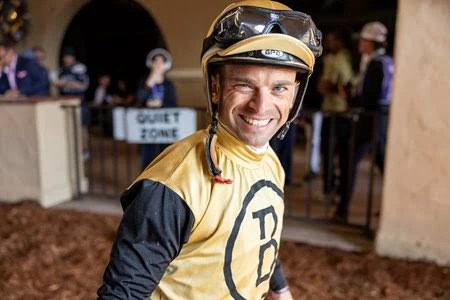
The injury occurred on 24 January during the Gulfstream Park Turf Sprint on Pegasus World Cup Day. Rispoli was unseated when his mount, Unconquerable Keen, clipped heels in the stretch. Early updates offered no firm return date, but his recovery progressed from assisted walking to rehabilitation exercises, trackwork and finally competitive riding.
How Umberto Rispoli Was Injured
Rispoli suffered the fall during a turf sprint at Gulfstream Park in Florida. Unconquerable Keen clipped heels in the closing stages, throwing the jockey to the ground.
Medical examinations identified several injuries in the lower right leg:
- a fractured fibula;
- a displaced fracture around the ankle malleolus;
- a small tibia fracture;
- significant damage requiring surgical stabilisation.
Rispoli underwent surgery the day after the accident. A second procedure followed six days later to address the stability of the injured leg.
The jockey remained in Florida for 12 days before returning to his home in Southern California. At that stage, the focus was not on selecting a comeback meeting. The immediate priorities were bone healing, reducing swelling and restoring enough movement to begin structured rehabilitation.
The Early Recovery Had No Fixed Timetable
By mid-March, Rispoli had been attending physical therapy for approximately two weeks. His agent, Matt Nakatani, described the progress as gradual and said the jockey was only beginning to take small steps.
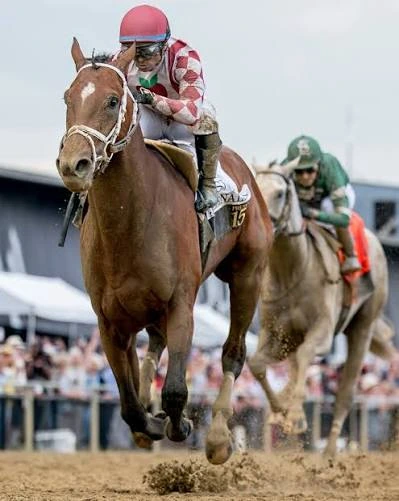
No firm return date was announced because an ankle injury presents specific problems for a jockey. Riders depend on their lower legs to maintain balance, absorb movement and stay secure in the saddle. The ankle can also be struck against the starting gate, rail or another horse during a race.
Returning as soon as the fractures technically healed would therefore have been insufficient. Rispoli also needed to regain strength, flexibility, stability and confidence while adopting a racing crouch.
A premature return could have created two setbacks. Pain or restricted movement might have affected his riding, while another impact could have extended the rehabilitation by several more months. His team instead waited until he could complete therapy and test the ankle on horseback.
From Physical Therapy to Riding Horses Again
Rispoli’s rehabilitation moved through several distinct stages. Walking without substantial assistance came first, followed by strength and mobility work. The next meaningful test was whether the ankle could tolerate the weight distribution and movement required in the saddle.
During a visit to France, Rispoli rode several horses at Chantilly for trainer Gerald Mosse. The exercise gave him an opportunity to assess the leg under riding conditions before resuming competitive mounts.
He later received medical clearance in California. Rispoli reported that he could ride at full drive without pain, although some scar tissue remained around the injured area.
That distinction mattered. A jockey may feel comfortable during normal walking yet still experience difficulty when shortening the stirrups, crouching over a horse’s neck or using the lower leg during a finish. Returning to trackwork allowed Rispoli to test those movements before accepting a race booking.
Umberto Rispoli Won on His First Ride Back
Rispoli returned to competition at Los Alamitos in late June, partnering Faran in a maiden race for trainer Bob Baffert.
The mount attracted attention beyond the jockey’s comeback. Faran had been purchased for $3.4 million as a yearling and entered the race as a highly regarded three-year-old prospect.
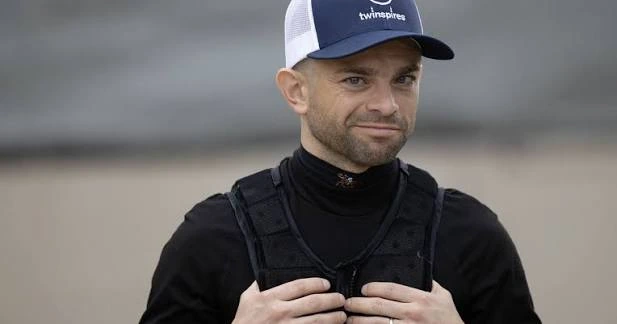
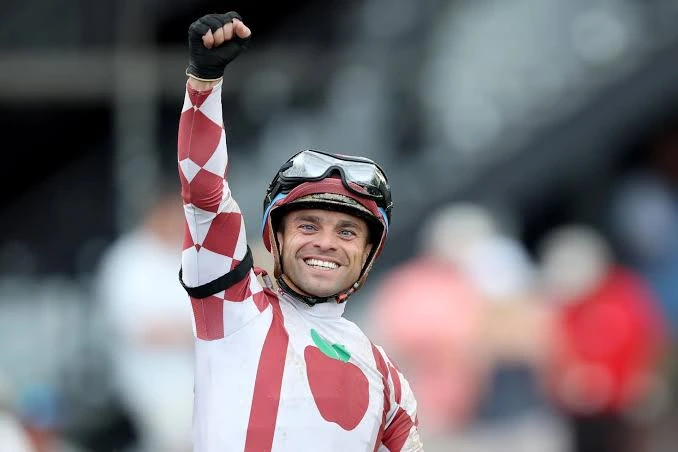
Rispoli and Faran won the race, giving the jockey an immediate victory after almost five months away. It was his first success since 19 January, five days before the Gulfstream Park accident.
The result did not prove that every physical issue had disappeared. Race fitness develops through repeated riding, and returning jockeys still need to monitor stiffness, swelling and recovery between meetings. The victory did show that Rispoli could maintain his position, respond under pressure and ride through the finish without the ankle preventing him from competing effectively.
Why the Injury Was Especially Disruptive
The accident came after the strongest United States season of Rispoli’s career.
During 2025, he won 129 races from 594 mounts, producing a strike rate of approximately 22%. His mounts earned more than $13.4 million in purses, and he recorded 19 graded-stakes victories.
The most important partnership was with Journalism. Rispoli rode the colt to victories in the Preakness Stakes, Haskell Stakes, Santa Anita Derby and San Felipe Stakes.
Journalism also finished second behind Sovereignty in the Kentucky Derby and Belmont Stakes. Those results placed Rispoli at the centre of the American three-year-old season and strengthened his position among the leading riders based in California.
Additional Grade 1 victories came with Formidable Man in the Frank E. Kilroe Mile and Salamis in the Hollywood Derby.
The January injury therefore interrupted his momentum at a point when he had established regular access to leading horses, major stables and nationally significant races.
Who Is Umberto Rispoli?
Umberto Rispoli is an Italian jockey who has competed across Europe, Asia and the United States.
He began his professional career in Italy and became champion jockey there before riding in countries including France, Japan and Hong Kong. Rispoli moved his base to Southern California in December 2019.
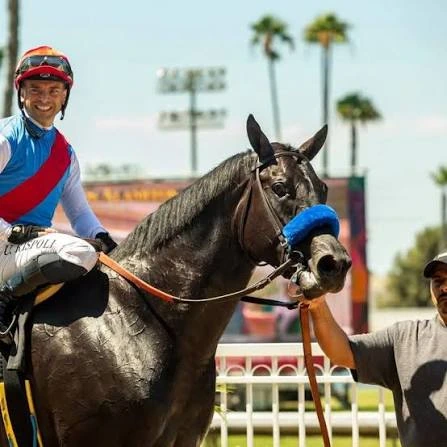
His international background shaped a riding style suited to turf racing, where judging pace, conserving ground and finding space in the stretch are often decisive. After relocating to the United States, he developed a strong record at California tracks, particularly Santa Anita and Del Mar.
Rispoli’s 2025 Preakness victory aboard Journalism was a major career milestone. It also made him the first Italian jockey to win one of the three races in the American Triple Crown series.
The Role of the Ankle in a Jockey’s Balance
A jockey’s ankle is not simply used to rest the foot in the stirrup. It forms part of a connected support system involving the foot, calf, knee, hip and core.
During a race, the rider remains above the saddle in a compact crouch. The ankles and knees absorb the horse’s movement while the upper body stays relatively stable. When a horse changes stride, turns sharply or makes contact with another runner, the lower leg helps the jockey correct balance without making a large movement.
A serious ankle injury can affect several parts of that process:
- restricted flexion can make the normal crouched position uncomfortable;
- reduced strength can place more pressure on the opposite leg;
- instability can affect control during acceleration or a tight finish;
- fear of impact can cause the rider to protect the injured side unconsciously.
Physical therapy therefore extends beyond restoring the ability to walk. A jockey must be able to withstand repeated loading, maintain equal balance and react instinctively while travelling at racing speed.
Why a Winning Return Does Not End the Recovery Process
Winning on the first mount back was an encouraging result, but the broader comeback depends on how Rispoli responds to a regular workload.
Trackwork and one race do not reproduce the demands of riding several horses on the same card. A full afternoon can involve repeated trips to the starting gate, different stirrup lengths, varying horse behaviour and little recovery time between mounts.
The practical signs to monitor after a return include:
- whether the ankle swells after racing;
- whether Rispoli can accept several mounts in one day;
- whether he continues riding through the finish without visible restriction;
- whether trainers return him to major stakes contenders;
- whether his schedule expands without additional breaks.
The absence of pain during exercise is positive, but sustained race fitness is established over weeks rather than through a single result.
What Comes Next for Umberto Rispoli
Rispoli’s initial return plan included rebuilding momentum before returning to the main Southern California circuit. The Del Mar summer meeting offered the clearest opportunity to reconnect with trainers and resume competing for higher-level mounts.
His successful ride on Faran provided a strong starting point. It showed that the rehabilitation had progressed far enough for competitive action and gave owners confidence that the jockey could perform immediately after the layoff.
The next stage is less dramatic but just as important: maintaining fitness, increasing the number of rides and avoiding a reaction in the repaired ankle.
For Rispoli, the comeback is no longer about estimating when he might ride again. He has already returned and won. The relevant question now is how quickly he can rebuild the consistency and major-race opportunities that defined his 2025 season.